Measuring blood pressure seems simple, but most people do it incorrectly—leading to unnecessary worries, urgent hospital visits, or misdiagnoses. This guide explains how blood pressure works, how to measure it correctly, when to worry, and which habits and foods can help keep it under control.
What is blood pressure?
Blood pressure is the force with which blood presses against the walls of the arteries each time the heart beats.
- Systolic (max): When the heart contracts.
- Diastolic (min): when the heart relaxes.
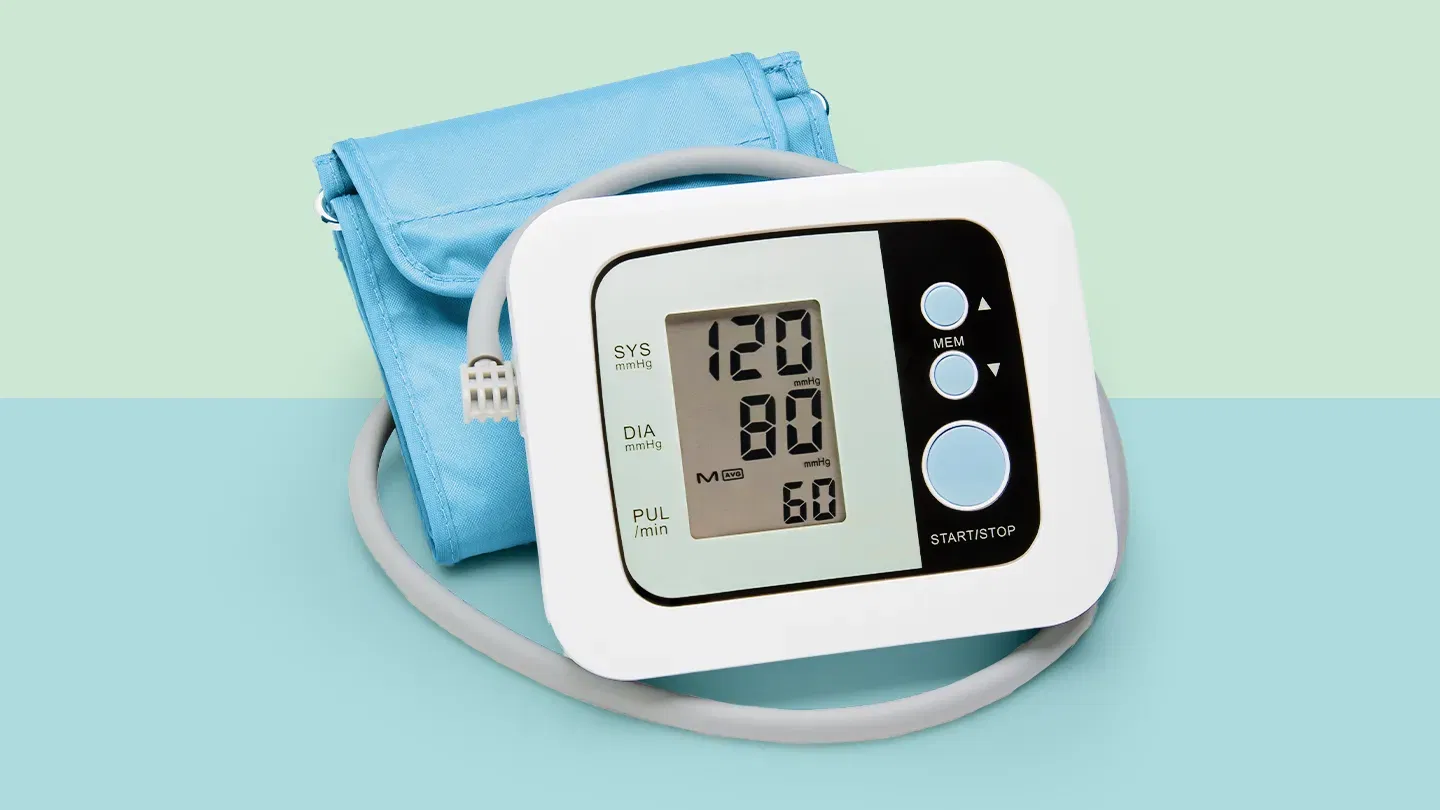
- Healthy blood pressure is generally below 120/80 mmHg.
When is it high?
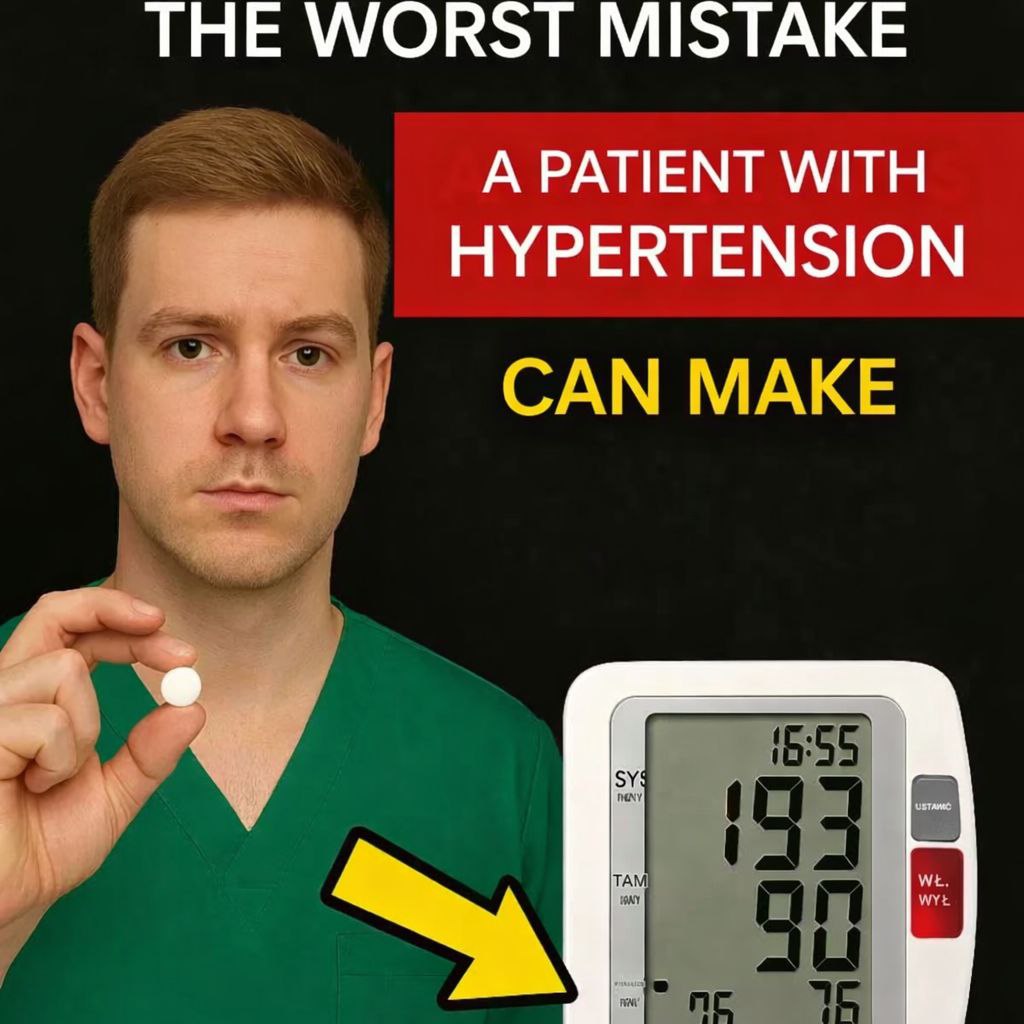
Hypertension is diagnosed if readings consistently exceed:
- 140 mmHg systolic
- 90 mmHg diastolic
One high reading does not automatically mean you have hypertension; blood pressure naturally fluctuates with activity, stress and diet.
How to measure correctly at home
Prepare: Do not eat, smoke, drink coffee/tea, or talk for 45 minutes before your scheduled appointment. Stay calm and empty your bladder.
Posture: Sitting with your back supported, hand on the table at heart level, legs uncrossed, hand free from tight clothing.
Cuff placement: cuff inside the arm, not too tight, not too loose, 2 finger widths from the bend of the elbow.
Recording: Measurements should be taken morning and evening, in a sitting position and at rest, for 5–7 consecutive days. The results should be reported to your doctor.
When high readings are not an emergency:
After exercise, stress, poor sleep, arguments, or when the measurement is incorrect, a temporary increase in blood glucose is normal.
You should seek immediate medical attention if your high blood pressure is accompanied by:
- Chest pain, shortness of breath, numbness in your face/arms, difficulty speaking, severe dizziness, sudden confusion, or the worst headache of your life.
Foods and habits that control blood pressure:
- Limit sodium intake: Avoid processed foods (sausages, bouillon cubes, snacks, frozen foods, industrial bread). Limit salt intake to 1 teaspoon per day.
- Increase your potassium intake: bananas, spinach, avocado, beets, broccoli, carrots, melon (consult your doctor if you have kidney problems).
- Healthy fats: olive oil, avocado, seeds, walnuts, fatty fish.
- Limit your intake of red/processed meat and refined sugar/flour.
- Exercise: 150 minutes a week of aerobic activity + 2–3 strength training sessions can significantly lower blood pressure.
Quick stress relief techniques:
Publicité