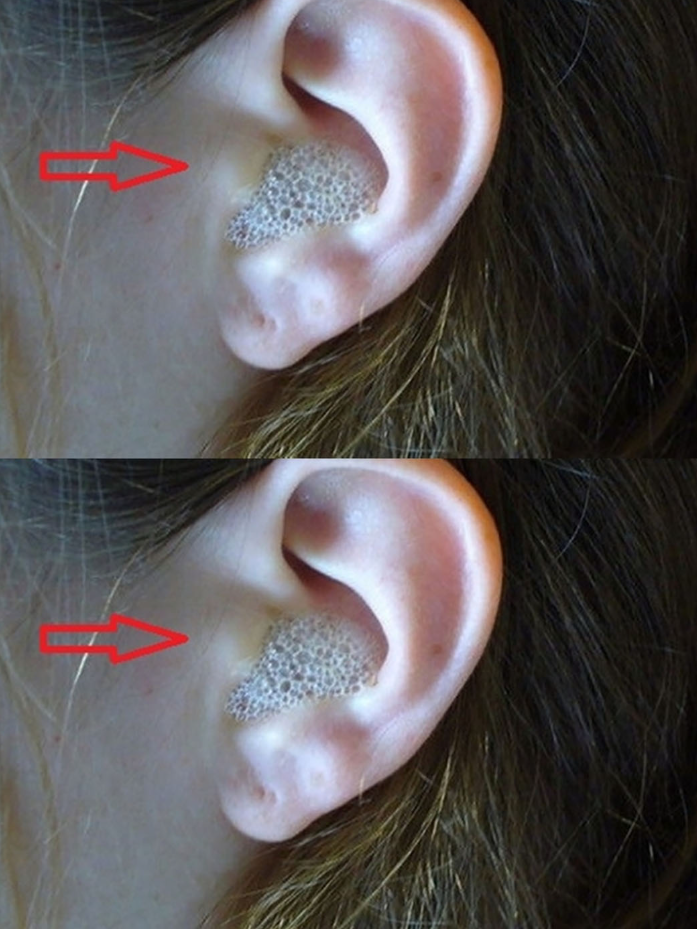
In cases of discomfort, gentle solutions can help restore comfort. The goal is not to force anything, but to support the natural removal of earwax by softening it. A few drops of an appropriate solution, used occasionally and carefully, may be enough to improve the sensation. Avoid hard objects and sudden movements: ear hygiene is primarily about patience and gentleness.
Popular natural alternatives
Some health tips are appreciated for their simplicity.
A slightly salty solution can be prepared by dissolving 1/4 teaspoon of fine salt in 250 ml of lukewarm water (drinking water or boiled and cooled). This solution can be used to gently moisten the entrance to the ear canal without pressing or forcing.
Mild vegetable oils , such as olive oil or liquid paraffin, also help soften earwax when used sparingly. The recommended amount is a maximum of 2 to 3 drops , applied with a clean dropper, once daily for a short period.
Glycerin, on the other hand, is often cited for its emollient properties. Again, 2 to 3 drops are sufficient , not exceeding one application per day, always in moderation to maintain the ear's natural balance.
Mistakes that should absolutely be avoided
We've all done it: using a cotton swab "to make sure your ear is clean." However, this reflex is one of the main causes of a clogged ear. Another important point: if discomfort persists despite these gentle steps, it's best to seek medical advice rather than insist. Ears are precious and should be treated with the utmost respect.
Taking care of your ears involves performing simple, gentle and regular activities that will help you regain a sense of hearing comfort and ease every day.