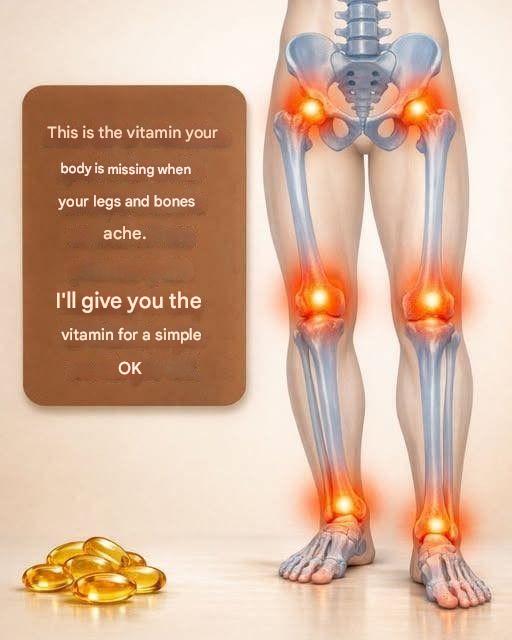
First, if the pain in your legs and bones is persistent, you should see a doctor. A blood test can determine if and to what extent you have a vitamin D deficiency. Never self-medicate with high doses of vitamin D supplements without supervision, as they are fat-soluble and can accumulate in the body, which can be toxic.
When it comes to food, pay attention to variety and consistency. It's not about eating sardines every day, but about regularly including fatty fish, eggs, and dairy products in your diet. And remember: conventionally grown mushrooms and fungus are low in vitamin D unless they've been treated with ultraviolet light. If possible, leave them in the sun for a while before cooking; studies suggest this increases their vitamin D content.
Finally, don't forget that magnesium is also important for activating vitamin D. It's found in nuts, seeds, and leafy green vegetables. A handful of almonds a day can be the small gesture that completes your routine.
A body that warns, an opportunity to listen to it.
Pain isn't always an enemy. Sometimes it's a messenger telling us something needs attention. In the case of vitamin D, heeding this message can be as simple as taking a morning walk, preparing scrambled eggs with mushrooms, or remembering that the body—like plants—needs its dose of sunshine. Listen to it.