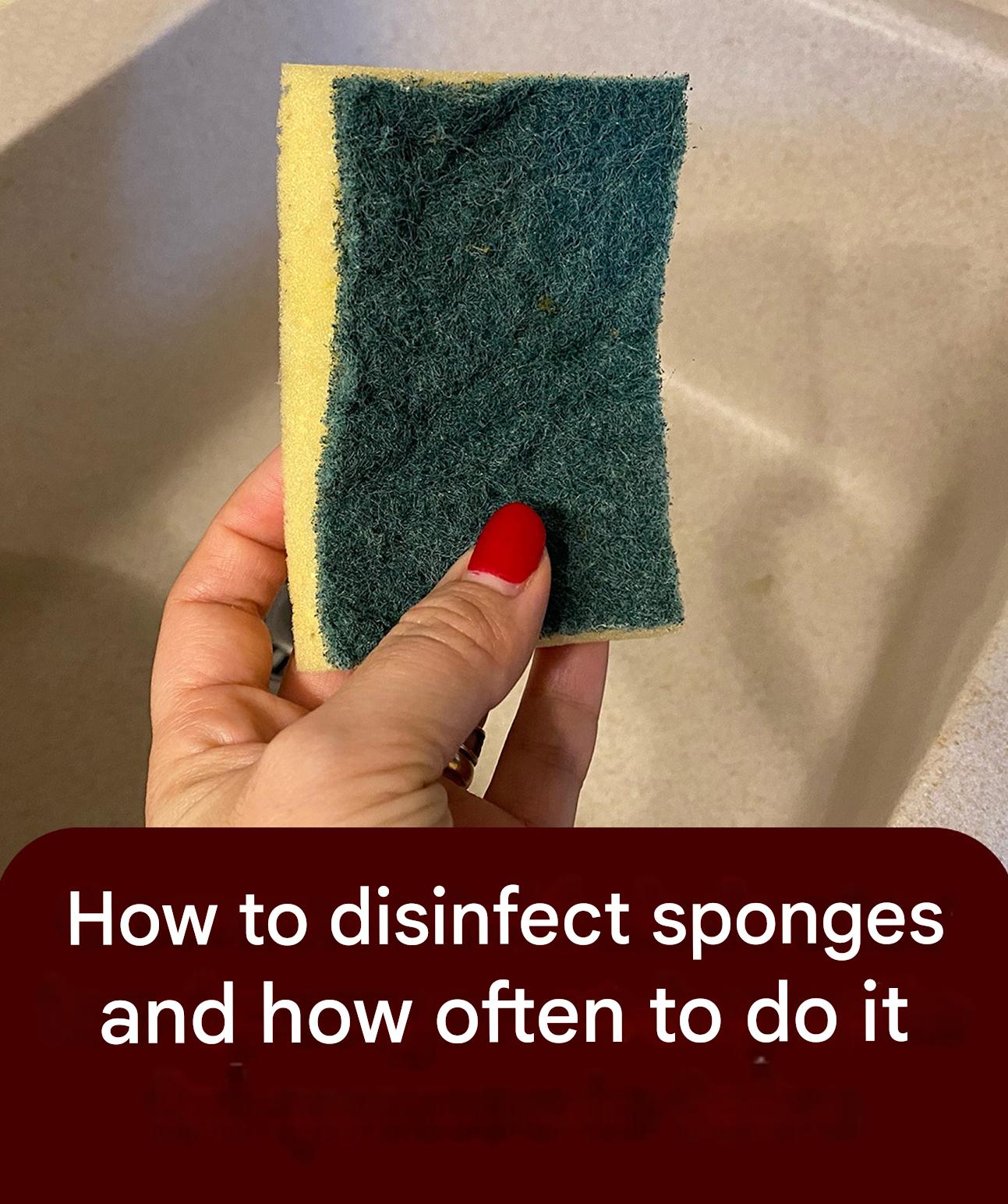
In the kitchen, there are little gestures we repeat automatically… and which sometimes conceal bigger questions. The sponge, for example: we rinse it, wring it out, and put it back on the edge of the sink, thinking we're doing the right thing. Yet, behind its harmless appearance, it can become a veritable invisible breeding ground. Should we microwave it? Boil it? Or replace it more often than we think? Before changing your habits, there are a few truths worth knowing.
Why does the sponge so quickly become a breeding ground for microbes?

Unfortunately, the kitchen sponge ticks all the boxes for absolute comfort… for bacteria. It stays damp, absorbs food residue, and is handled several times a day. Its highly porous structure retains water and dirt, creating a perfect environment for rapid and invisible proliferation. According to Francesco Poliandri, a culinary consultant and food hygiene specialist, microorganisms settle deep within the fibers and form a kind of natural shield. The result: a simple rinse with clean water gives an illusion of cleanliness, but is absolutely insufficient.